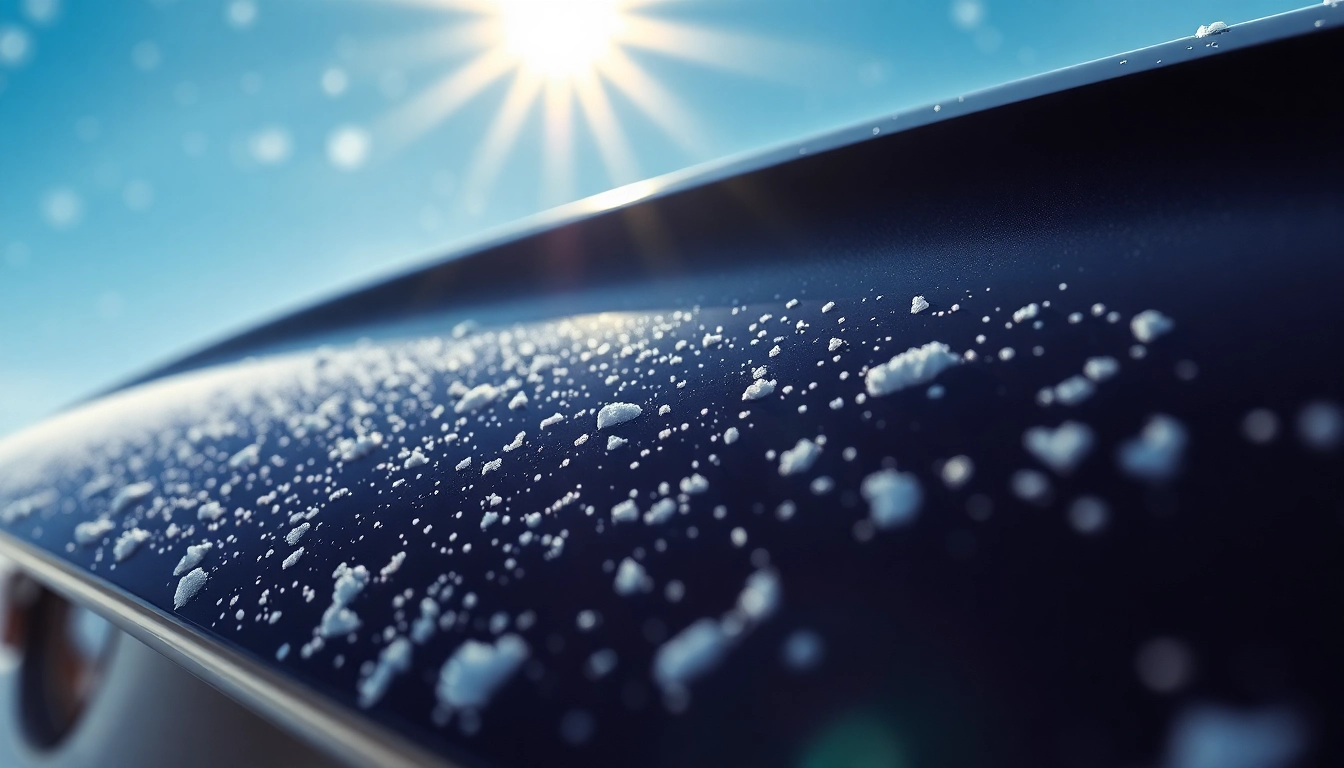
Understanding PPF and Its Importance
What is PPF?
Paint Protection Film (PPF) is a clear, thermoplastic urethane film that is applied to the exterior surfaces of vehicles. Its primary function is to protect the paint from various environmental hazards. PPF acts as a barrier against scratches, chips, stains, and UV damage, ensuring that the vehicle maintains its aesthetic appeal and value over time. The film is highly durable, self-healing, and available in various thicknesses and finishes, allowing car enthusiasts to select options tailored to their needs.
Benefits of Using PPF
Utilizing PPF offers several advantages to vehicle owners, especially those living in areas where winter weather and road salt can wreak havoc on their cars. Some key benefits include:
- Protection Against Physical Damage: PPF safeguards against scratches from debris, road salt, and other contaminants that can damage the vehicle’s paint.
- UV Resistance: The film blocks harmful UV rays that can cause paint discoloration and deterioration over time.
- Self-Healing Properties: Minor scratches on PPF can “heal” when exposed to heat, restoring the film’s surface.
- Easy Maintenance: Cleaning PPF is straightforward, requiring only a gentle wash to remove contaminants.
- Enhanced Resale Value: By maintaining the vehicle’s paint integrity, PPF can contribute to a higher resale value.
How PPF Works for Surface Protection
PPF works by forming a protective layer over the vehicle’s paint, acting as a shield that absorbs the impact of road debris, salt, and scratches. When applied correctly, PPF adheres tightly to the surface of the car, ensuring complete coverage while maintaining visibility and clarity. The film’s flexibility allows it to conform to the contours of the vehicle, providing protection without altering its appearance. This layer of protection is especially crucial during winter months when road salt poses a significant risk to the vehicle’s integrity.
Why Winter Conditions Matter
The Dangers of Road Salt
Road salt is commonly used to melt ice and snow during winter, but it poses significant hazards to vehicles. Salt can lead to rust and corrosion on metal components and undercarriage, and over time, these effects can compromise the structural integrity of the vehicle. When salt accumulates on the vehicle’s surface, it can also create unsightly stains and damage the paint. Having PPF winter road salt protection is essential for mitigating these risks and preserving the vehicle’s condition.
Impact of Moisture on Vehicle Surfaces
Moisture can exacerbate the effects of road salt, promoting rust formation and weakening the vehicle’s exterior. As moisture settles on the paint and mixes with salt particles, it creates an ideal environment for corrosion to occur. PPF acts as a barrier against moisture, preventing it from reaching the vehicle’s paint. This protection is crucial in maintaining the appearance and longevity of the vehicle during winter months.
Seasonal Maintenance Tips
To ensure that your vehicle remains in top condition throughout winter, consider the following seasonal maintenance tips:
- Regular Washing: Clean your vehicle frequently to remove road salt and other contaminants.
- Inspect PPF: Regularly check the film for signs of wear and tear.
- Apply Wax or Sealants: In addition to PPF, applying a high-quality wax or sealant can enhance protection.
Choosing the Right PPF for Winter
Types of PPF Available
When selecting PPF, there are various types to consider, each offering different levels of protection and aesthetics:
- Standard PPF: Offers good protection against everyday wear but can be less effective against extreme damage.
- Self-Healing PPF: Features thermoplastic polymer technology that allows minor scratches to heal when exposed to heat.
- Matte PPF: Designed for vehicles with matte finishes, providing protection without altering the visual aesthetics.
- High-Gloss PPF: Enhances the vehicle’s shine while offering robust protection capabilities.
Key Features to Look For
When selecting PPF for winter protection, consider the following key features:
- Thickness: Thicker films generally provide better protection against impacts and abrasions.
- Self-Healing Capability: Look for films that can self-repair minor scratches, extending the film’s lifespan.
- UV Protection: Opt for films that offer UV resistance to prevent fading and discoloration.
- Clarity: Ensure the film maintains the color and shine of your vehicle without a noticeable difference.
Cost Considerations
The cost of PPF installation can vary significantly based on the quality of the film, the vehicle type, and the complexity of the installation. Typically, professional installations can range from a few hundred to several thousand dollars. While the upfront investment may seem considerable, the long-term benefits, including protection against rust, corrosion, and paint damage, often justify the cost. It’s essential to weigh the price against the desired protection level and the overall maintenance of your vehicle.
Application Techniques for Optimal Protection
Professional Installation vs. DIY
When it comes to applying PPF, vehicle owners can choose between professional installation and DIY methods. Professional installation is recommended due to the expertise and specialized equipment that professionals bring to the table. These specialists ensure proper adhesion and coverage, minimizing the risk of mistakes that could compromise the film’s performance. On the other hand, DIY installations can be a cost-saving option for those with experience and the right tools, but they require meticulous attention to detail.
Step-by-Step Application Guide
If opting for a DIY approach, follow these steps for a successful PPF installation:
- Clean the Surface: Thoroughly wash and dry the vehicle’s surface, ensuring it’s free from dirt and contaminants.
- Measure and Cut the Film: Measure the area for application and cut the film slightly larger than required.
- Apply the Solution: Use a film application solution to lubricate the surface and allow the film to slide into place.
- Position the Film: Align the film carefully, ensuring it covers the desired area, and begin to smooth it out.
- Remove Air Bubbles: Use a squeegee to eliminate air bubbles, working from the center to the edges.
- Trim the Excess: Trim any excess film with a sharp blade for a clean finish and ensure edges are secure.
Common Mistakes to Avoid
To achieve the best results with your PPF installation, avoid these common mistakes:
- Improper surface preparation can lead to adhesion failures.
- Not aligning the film properly may result in an unattractive finish.
- Using too much application solution can create an unstable bond.
- Ignoring air bubbles may compromise the film’s integrity and appearance.
Maintaining PPF in Winter Months
Cleaning Tips to Remove Road Salt
Winter maintenance for PPF involves regular cleaning to remove road salt and other contaminants that can accumulate. To clean PPF effectively:
- Use a pH-neutral car wash soap to avoid damaging the film.
- Utilize a microfiber cloth or sponge to gently wash the surface.
- Rinse thoroughly to remove all soap residue.
- Dry with a clean microfiber towel to prevent water spots.
Regular Inspections for Damage
Periodically inspect your PPF for any signs of damage, such as lifting edges, tears, or discoloration. Addressing small issues promptly can prevent further damage and costly repairs.
When to Reapply or Replace PPF
Knowing when to reapply or replace your PPF is crucial for maintaining effective protection. Typically, PPF can last between 5 to 10 years, depending on the quality of the film and your maintenance practices. Signs that it may be time to replace the film include significant yellowing, peeling edges, or extensive damage that cannot be repaired. Regular maintenance can extend the lifespan of your PPF and ensure your vehicle continues to look its best.
FAQs about PPF Winter Road Salt Protection
1. How does PPF protect against road salt?
PPF acts as a barrier, preventing road salt from direct contact with your vehicle’s paint, which helps to minimize rust and corrosion.
2. Can I install PPF myself?
Yes, but professional installation is recommended for optimal results. DIY installation requires careful attention to detail and proper tools.
3. How often should I clean my PPF in winter?
It’s advisable to wash your vehicle every two weeks during winter to remove road salt and prevent buildup on the PPF.
4. What happens if I damage my PPF?
Minor scratches are often self-healing. However, for major damage, it may need to be replaced to maintain protection.
5. How long does PPF last?
PPF can last between 5 to 10 years with proper care and maintenance, but this can vary based on film quality and environmental factors.