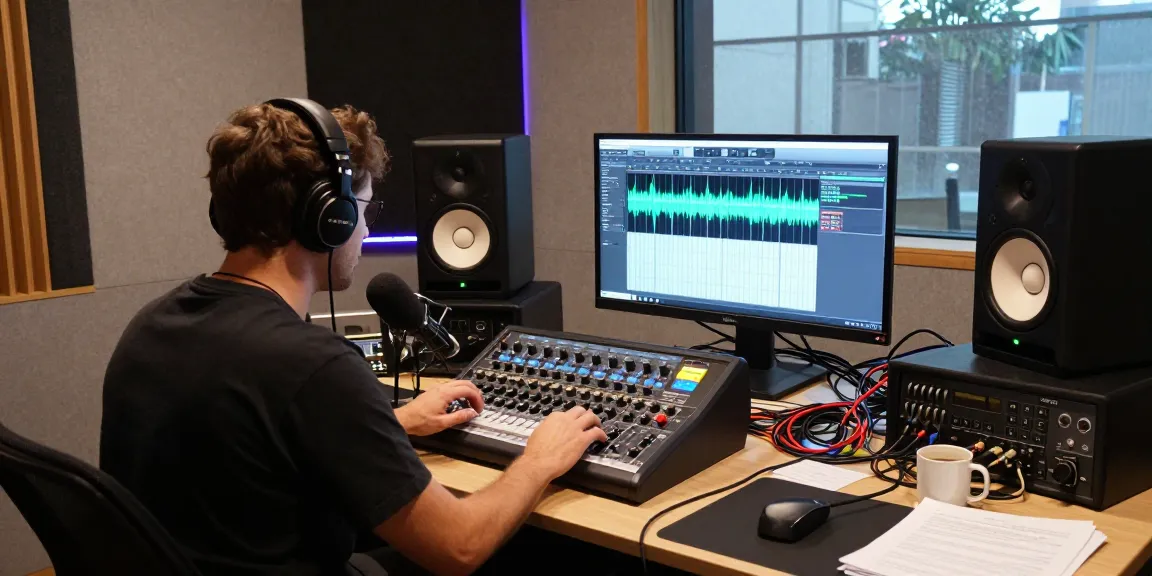
The Evolution of the DA88 in Audio Production
Since its introduction in 1993 by TASCAM, the DA88 has played a significant role in shaping the landscape of audio production, particularly in home studios. As one of the first affordable digital multitrack recorders, it provided musicians and sound engineers a reliable tool for high-quality audio recording. The DA88 utilized the DTRS (Digital Tape Recording System) format and employed Hi8 video tapes, which enabled it to capture audio with remarkable fidelity. In this technological era, understanding the impact of the DA88 can provide invaluable insights for both budding and experienced audio professionals. When exploring options, da88 offers comprehensive insights into the continued relevance of this device.
Historical Context of the DA88 Technology
The DA88 emerged during a pivotal time in the music industry, marked by the transition from analog to digital recording methods. Prior to the DA88, multitrack recording was dominated by analog tape machines that were expensive and largely inaccessible to independent artists and small studios. The TASCAM DA88 changed the game with its modular approach and the ability to record up to eight tracks simultaneously on a single Hi8 tape. This innovation democratized music production, allowing more creators to produce professional-quality recordings without the exorbitant costs associated with traditional analog systems.
Key Features That Revolutionized Multitrack Recording
Several features contributed to the DA88’s success and its lasting influence on audio recording technology:
- Modular Design: The DA88’s modularity enabled users to connect multiple units, allowing for flexible configurations depending on the project’s needs.
- High-Quality Audio: With 16-bit depth and a sampling rate of up to 48 kHz, the DA88 delivered impressive audio quality, comparable to more costly systems.
- DTRS Format: The Digital Tape Recording System offered ease of use, with straightforward operation and reliable tape management.
- Synchronization Capabilities: The DA88 could easily synchronize with other DAWs or external devices, paving the way for more complex recording setups.
Why the DA88 Remains Relevant in 2026
Despite the digital revolution and the widespread adoption of digital audio workstations (DAWs), the DA88’s legacy continues to resonate. Its unique sound characteristics and reliability have made it a sought-after tool for certain artists and producers. Many prefer the DA88’s analog warmth and dynamic range, which can add distinct color to recordings. Furthermore, the resurgence of interest in vintage gear has led to a renewed appreciation for the DA88 in contemporary production environments.
Setting Up Your DA88: A Step-by-Step Guide
Setting up your DA88 correctly is crucial to maximizing its potential. Here’s a detailed guide to ensure your DA88 functions optimally from the start.
Essential Equipment for Using the DA88 Effectively
To make the most of your DA88, you will need the following essential equipment:
- Hi8 Tapes: Ensure you have a sufficient supply of Hi8 tapes, as these are specifically designed for the DA88.
- Microphones: Invest in quality microphones suited for the instruments you’ll be recording.
- Cables and Connectors: Use high-quality XLR and TRS cables to maintain signal integrity.
- Mixing Console: A mixing console will help you manage levels and effects during recording sessions.
Configuring Audio Settings for Optimal Performance
Once you have your equipment ready, configuring the DA88’s audio settings is essential. Follow these steps:
- Connect Inputs: Plug your instruments or microphones into the appropriate inputs on the DA88.
- Set Levels: Adjust input levels to avoid clipping while ensuring a healthy signal.
- Select Sample Rate and Bit Depth: Choose the correct settings that suit your recording needs; typically, 48 kHz and 16-bit is standard.
- Monitor Outputs: Use headphones or studio monitors to ensure audio clarity during recording.
Best Practices for Maintaining Your DA88
To keep your DA88 in optimal condition, regular maintenance is necessary:
- Clean the Heads: Use appropriate cleaning tapes and solutions to clean the tape heads regularly.
- Store Properly: Keep the DA88 in a dry, temperature-controlled environment away from direct sunlight.
- Update Firmware: If applicable, ensure your DA88 firmware is updated to maintain compatibility with other devices.
Recording Techniques: Getting the Best Sound with DA88
Maximizing the DA88’s capabilities requires understanding various recording techniques. Below are effective strategies to achieve the best sound possible.
Microphone Placement Strategies for Various Instruments
Microphone placement can significantly impact the quality of your recordings. Here are some strategies for common instruments:
- Vocals: Aim for the microphone to be about 6-12 inches from the singer’s mouth, slightly off-axis to minimize plosives.
- Guitar Amplifiers: Place the microphone about 1-3 inches away from the amp’s speaker, angled to capture richness.
- Piano: Use two microphones, one near the hammers and another at the open lid for a fuller sound.
Layering Tracks for Rich Sound Design
Layering tracks effectively can create a lush soundscape. Here’s how to approach it:
- Record Multiple Takes: Capture several takes of the same part and layer them to enhance depth.
- Vary Dynamics: Use different instruments or synths with complimentary tones to create a more complex sound.
- Utilize Panning: Spread tracks across the stereo field to create space in your mix.
Editing Tips to Enhance Recorded Audio Quality
Careful editing can elevate the quality of your recordings. Consider the following tips:
- Use EQ Wisely: Apply equalization to remove unwanted frequencies and enhance desirable ones.
- Add Compression: Utilize compression to even out dynamics and add sustain to your tracks.
- Utilize Reverb and Delay: Add these effects sparingly to create ambiance without cluttering the mix.
Comparative Analysis: DA88 and Modern Alternatives
Understanding how the DA88 compares to modern alternatives can guide your purchasing decisions and recording strategies.
Pros and Cons of Using DA88 Versus Digital Audio Workstations
While the DA88 has its strengths, it also has limitations compared to contemporary DAWs:
- Pros: The analog warmth, reliable performance, and the unique sound character.
- Cons: Limited track count, dependency on physical tapes, and less flexibility in editing compared to DAWs.
When to Choose DA88 for Professional Projects
The DA88 is ideal for projects where a distinct sound character is desired or when working with a tight budget. It is also beneficial for live recording situations where quick setup and efficient audio capture are critical.
Future Trends in Multitrack Recording Technology
As technology advances, the future of multitrack recording may see further integration of AI and machine learning for mixing and mastering, as well as enhanced virtual instruments. Hybrid setups combining DAWs with traditional analog gear will likely continue to thrive, further cementing the DA88’s position in professional studios.
Real-World Applications: Case Studies Using DA88
Numerous successful projects have utilized the DA88, highlighting its versatility in various musical genres.
Successful Projects Recorded with the DA88
Many artists, from indie bands to prominent producers, have used the DA88 to capture their music. One notable example includes popular bands who recorded demos that eventually led to major-label deals, thanks to the affordable yet quality output of the DA88.
Insights from Industry Professionals
Industry professionals have praised the DA88 for its robust performance in live settings, using it to capture pristine audio during concerts and sessions. Engineers often highlight its unique sound, which recalls the warmth of older recording techniques.
How to Leverage DA88 for Live Recordings
The DA88 is a compelling choice for live recordings, allowing for smooth multi-track captures without complex setup. With its portable design and straightforward operation, it has become a staple for location recording in various environments.
What are the Best Practices for Archiving DA88 Recordings?
To preserve recordings made on the DA88, follow these archiving best practices:
- Digitize Recordings: Transfer audio to a digital format for long-term storage.
- Label Tapes Carefully: Ensure all tapes are well-labeled with project details and date.
- Store in Climate-Controlled Environments: Protect tapes from humidity and extreme temperatures to prevent degradation.
How Does DA88 Compare to Current Multitrack Recording Trends?
While DAWs dominate the market, the DA88’s appeal remains in its unique audio signature and the physicality of working with tape. As trends shift, some modern studios are rediscovering analog approaches, blending them with digital processes for the best of both worlds.
What Common Challenges Arise When Using DA88?
Users of the DA88 may encounter challenges such as tape maintenance, limited editing capabilities, and the need for specific media. Understanding these challenges can help prepare users for a more efficient workflow.
How Can I Integrate DA88 Recordings into Modern Workflows?
To integrate DA88 recordings into modern workflows, consider using interfaces that allow seamless transfer to DAWs. This hybrid setup can utilize the DA88 for its unique sound while leveraging digital platforms for extensive editing and manipulation.